
Why Do Border Collies Nip? (And How to Redirect the Herding)
Why Do Border Collies Nip? (And How to Redirect the Herding)
Short answer: because that’s the job they were built for. Border Collies move livestock, and nipping at heels is one of the old tools of the trade. Put that instinct in a living room with a toddler, a jogger outside the window, or a bored adolescent, and you get a dog who’s “working” on your ankles.
I’ve lived with a Border Collie who nipped. Mine started around four months, right around the time my kids learned to run in circles screaming, which was terrible timing for everybody. So when people ask why Border Collies nip, I don’t give the textbook answer first. I give the sock-on-my-heel answer. It hurts, it’s embarrassing, and it almost never means what you fear it means.
I’m not a vet or a certified trainer. I’m an owner who’s been through it, and I’ll flag every spot where a professional should take over. Here’s what’s behind the nipping, a redirect plan that worked for us, and the situations where it’s not a “just redirect it” problem.
Why do Border Collies nip in the first place?
Four things drive it, and most dogs have a mix.
Herding drive. The AKC notes that herding breeds such as Collies may nip more often because they were bred to move livestock by nipping at animals’ heels. A Border Collie’s version is the “eye, stalk, chase, nip” sequence stripped down. Your dog can’t herd sheep, so he herds whatever moves: kids, cats, you, the vacuum.
Teething. Puppies mouth everything, and their gums ache for several months. The same AKC piece says teething can drive nipping, and that nipping in young dogs is often a way to start play. Normal, annoying, temporary.
Over-arousal. A wound-up Border Collie loses his brakes. The nip isn’t planned. It’s what leaks out when the dog is too revved to think. (If you’ve ever watched one go from calm to frantic in four seconds, you know the look.)
Boredom. This is the big one for adults. I covered how sharp this breed is in are Border Collies smart, and the flip side is that a clever dog with nothing to do invents a job. Your heels are available.
Is a Border Collie nipping me aggression or herding?
Mostly, it’s herding. The word “aggression” sends owners into a spiral, so it’s worth saying out loud.
A herding nip usually looks like this:
- It happens when something is moving, running, or changing direction.
- The dog is loose and bouncy, not stiff.
- He goes for heels, sleeves, or the back of the legs, not your face or hands.
- It’s a quick pinch, often with crouching, staring, or circling first.
- He stops, or can be interrupted, when the movement stops.
Real aggression looks different. The body goes still and hard, the lips pull back, the growl is low, and the bite is meant to make something stop or go away. Fear and guarding are the usual roots. If you want the longer breakdown, I wrote about it in are Border Collies aggressive.
And a caution: I can’t diagnose from a blog post, and neither can anyone else. If a bite breaks skin and you can’t tell why, or you feel afraid of your own dog, skip to the section near the end about who to call.
What’s the redirect plan that actually works?
Here’s the plan. Don’t try to delete the instinct. You can’t, and honestly you wouldn’t want to. Give it somewhere to go.
1. Give the drive a real job
A tired body isn’t enough. A Border Collie needs the chase-and-control urge exercised on purpose. Options we’ve used or seen work:
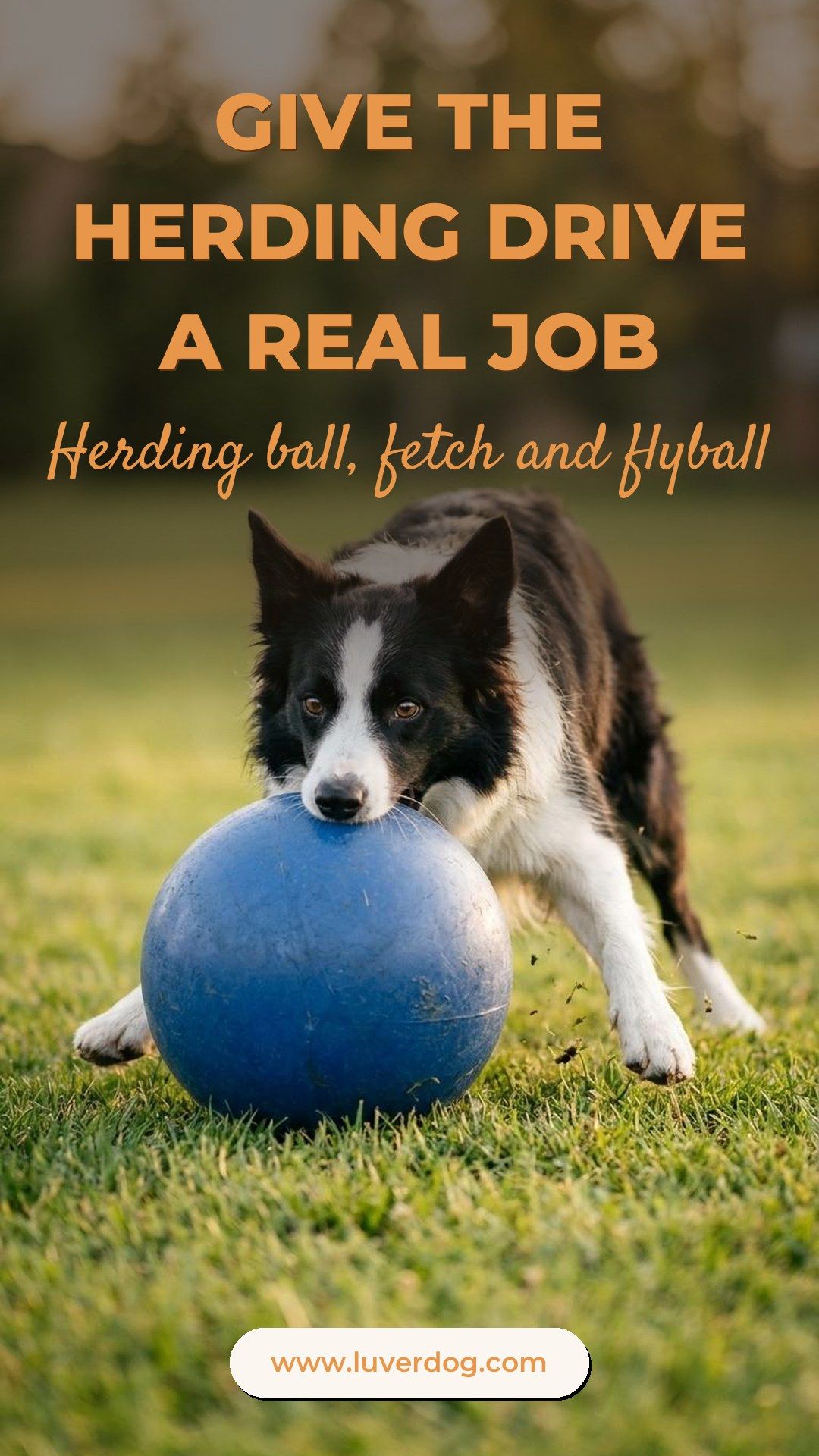
- Herding ball or treibball. A big, firm ball he’s allowed to push and “herd” around the yard. Treibball is an actual sport where dogs herd big exercise balls into a goal, and it suits herding breeds when real stock isn’t an option.
- Fetch with rules. Not endless fetch (that builds an adrenaline junkie). Ten minutes with a sit-wait before each throw.
- Flyball or agility. If a class is near you, they’re excellent outlets, and the structure helps.
- Trick training and nose work. Five minutes of learning “spin” or finding a hidden treat tires the brain faster than a walk.
- Real herding lessons. If you live near a farm that offers instinct tests, try one. Some dogs go glassy-eyed with joy.
2. Manage the triggers
Most nipping has a trigger, and most triggers are movement. Kids running. A bike. A jogger on the sidewalk. A skateboard, a mower, a ceiling fan on high.
- Leash or gate your dog when kids are in zoom mode. Not forever, just during the wild half hour.
- Put a visual barrier on ground-floor windows if he fixates on traffic.
- Walk at quieter hours until your recall and “look at me” are solid.
- Keep treats in your pocket on walks so you can pay him for noticing a bike and doing nothing.
For us, a baby gate and a stuffed chew toy at 5 p.m. fixed more than any training session did.
3. Teach a behavior that can’t happen at the same time as nipping
You can’t just say “don’t.” You have to say “do this instead.” Pick something incompatible with chasing and nipping:
- Go to your mat and lie down.
- Sit and look at you.
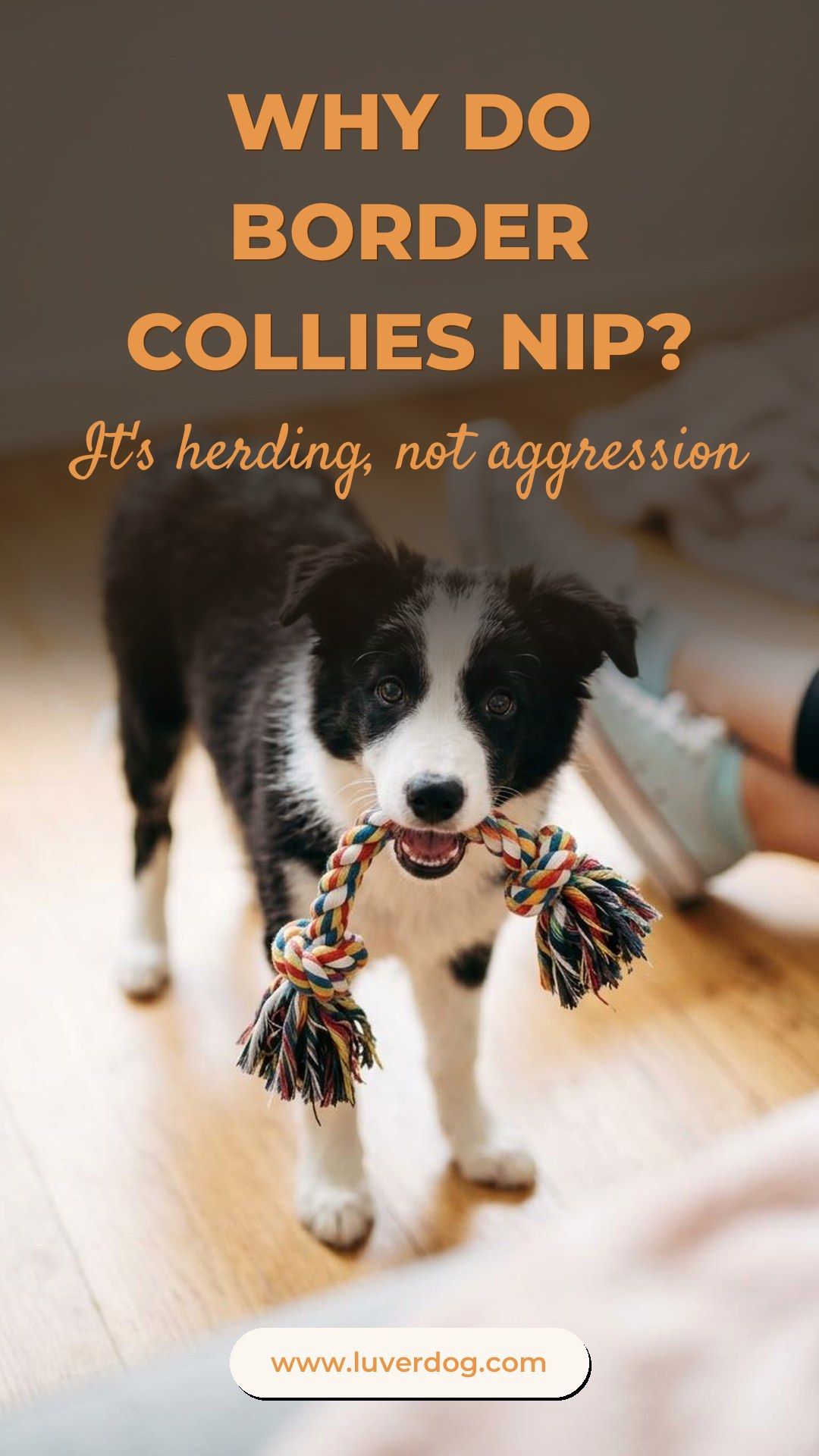
- Hold a toy in his mouth. (A mouth full of rope is hard to use on a heel.)
Practice when things are calm, then add small distractions, then bigger ones. Reward heavily, with food he actually loves, and do it every time at first. The goal is that when the kid sprints by, your dog’s first thought is “mat!” and not “gather!”
4. Use calm time-outs when he’s over the top
If the nip comes from over-arousal, the fix is lowering the temperature. When teeth touch skin, say a flat “oops,” stand up or step out of reach, and end the game. My own habit is thirty to sixty seconds of no attention, then back to try again.
The AKC article recommends a brief time-out as soon as teeth touch skin or clothing, and it also cautions against holding a dog’s muzzle shut as a correction because it teaches fear.
Keep your voice boring. If you shriek, you’ve just made yourself a more exciting thing to chase. I learned that one the hard way.
5. Don’t punish harshly
I get the temptation. It hurts, you’re frustrated, and old-school advice says to pin him or yell. Don’t.
Here’s the problem: a nip that comes from instinct and arousal doesn’t respond well to fear. The American Veterinary Society of Animal Behavior states that only reward-based training methods should be used for all dog training, including the treatment of behavior problems. AVSAB also warns that aversive methods carry real risks to animal welfare and to your bond with the dog. In my experience, a startled, scared Border Collie doesn’t stop herding. He just gets edgier and less predictable around the very thing you scolded him for.
Harsh punishment can also mask warning signals. A dog who learns that growling gets him in trouble may skip the growl and go straight to the bite.
Would you pin a toddler mid-tantrum? Same answer here.
6. Stay consistent for longer than feels reasonable
Redirecting is a months-long project, not a weekend. The AKC says improvement can take weeks or months, and I’d add that herding drive doesn’t fully go away. We still manage ours at age seven. It just takes ten seconds now, not an afternoon.
Is puppy nipping different from an adult suddenly nipping?
Yes, and the difference matters.
A teething puppy nipping is normal. It’s annoying and sharp-toothed, but it’s the age. Expect it to ease off as the adult teeth settle in, usually somewhere around six or seven months, though herding nips might linger.
An adult who has never nipped and suddenly starts is a different story. That’s a change, and a change is a reason to call the vet before you call a trainer. Think of possibilities like:
- Pain. A sore hip, back, ears, teeth, or an injury can make a normally sweet dog snippy when touched or crowded.
- Vision or hearing changes. A dog who can’t see well is startled more easily and may nip when approached from the side.
- Fear or anxiety. New stressors, a move, a new baby, a scary event.
- Something medical you can’t see. That’s the whole point of the vet visit.
I can’t tell you which it is. A vet can examine him, rule out medical causes, and tell you what to do next. Don’t skip that step and go straight to a training fix.

How does age and arousal fit in?
Nipping often peaks in adolescence, when the body is big, the brain isn’t finished, and arousal is sky-high. If you’re in that stage, my post on when Border Collies calm down lays out what to expect. Short version: it gets better, but only if you’ve been giving the dog real outlets, not hoping he’ll grow out of it.
When should I call a professional?
Redirect work is for normal herding nips. Bring in help if you see any of this:
- Bites that break skin, or bites that seem aimed at hurting, not herding.
- Growling, stiffening, or lip-lifting when you touch food, toys, or his bed (resource guarding).
- Nipping that happens alongside obvious fear, such as cowering, tucking his tail, or lunging at strangers.
- A dog who nips children and you can’t reliably prevent it.
- A sudden change in an adult dog’s behavior.
- Your gut says you’re not safe.
Start with your vet to rule out pain or illness. From there, look for a certified trainer (CCPDT credentials are a good sign), an IAABC behavior consultant, or a veterinary behaviorist. I won’t coach you through treating true aggression in an article, because it needs eyes on your actual dog. It’s genuinely not a DIY job.
So is my Border Collie a bad dog?
No. Mine wasn’t, and yours almost certainly isn’t either. He’s a working dog without a flock, doing the closest thing he can find.
If something feels off, though, trust that and call the vet.


Comments
Post a Comment