
Are Border Collies Aggressive?
Are Border Collies Aggressive?
Your Border Collie just nipped your son’s ankle, and now you’re wondering if you brought home a problem.
So, are border collies aggressive? As a breed, no. VCA Animal Hospitals describes the breed as playful and very good with children. Breed-level research backs up the caution about labels: a widely cited owner survey of breed differences in canine aggression, discussed by the National Canine Research Council, found considerable variation within each breed, so a breed name tells you little about one individual dog. For a Border Collie, that means the useful question isn’t “is the breed aggressive?” but “what is this nip, in this dog, telling me?”
“Not aggressive” also isn’t the same as “never bites,” and that gap is where owners get confused. Most nips come from herding instinct with nowhere to go. Some come from fear or pain. The rest of this post helps you tell them apart, and says when to call a professional.
Understanding why Border Collies nip
These dogs were built to control moving things, so start there.
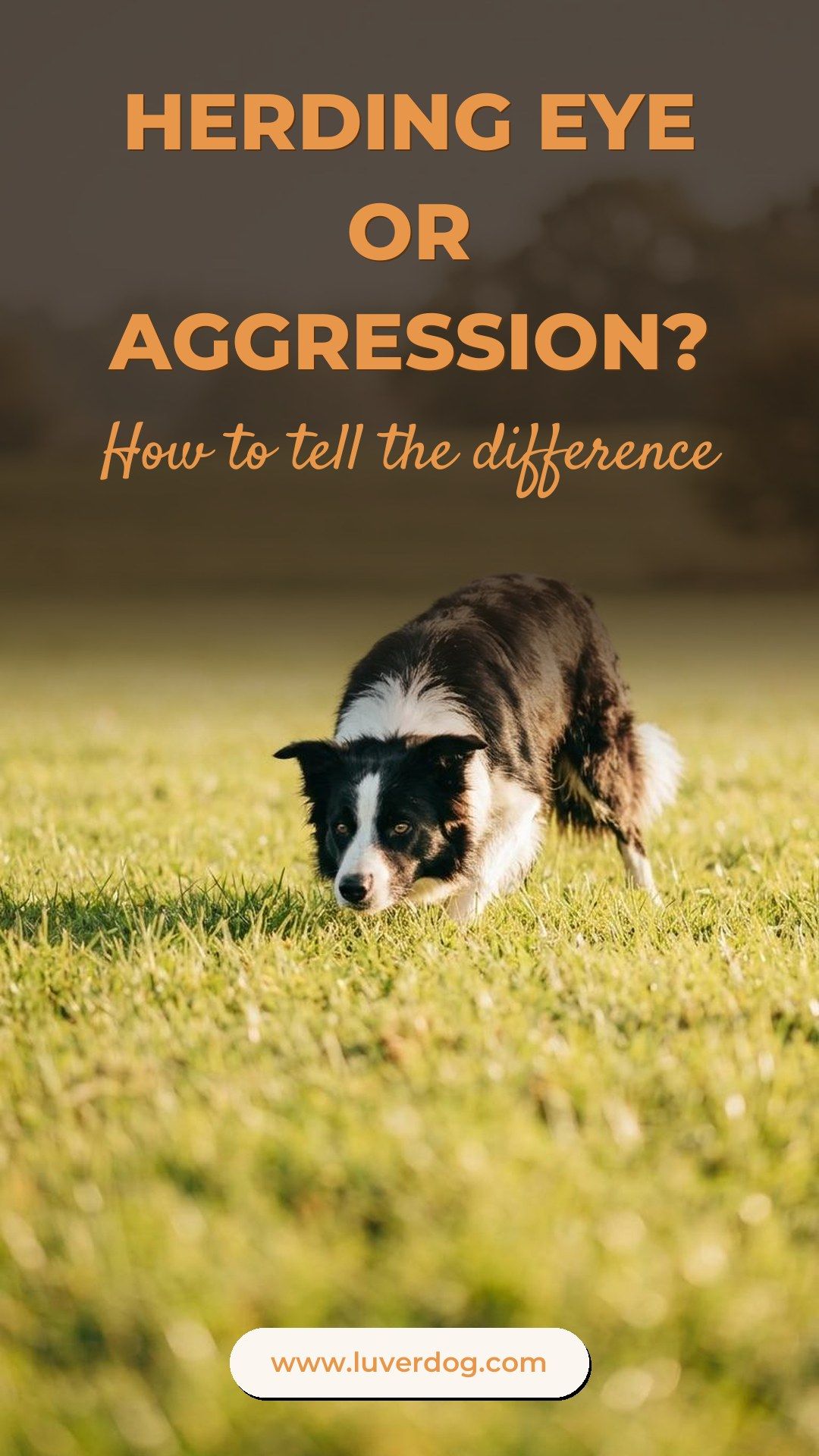
It’s a job, not a mood. The AKC says Border Collies tend to herd animals and people, and that herding instincts can shape how they act around children and other animals. Border collie herding behaviour looks like staring, stalking, circling, and sometimes a quick nip at heels. None of it is anger.
Movement flips the switch. Running kids, bikes, joggers, skateboards, even a laundry basket sliding across the floor. If it moves fast and unpredictably, a bored or overexcited collie may try to steer it.
Puppies mouth everything. Border collie nipping in a young dog is often plain puppy biting layered with herding drive. Different cause, similar bruise.
Boredom makes it worse. The AKC notes the breed is very high energy and does better when it’s kept busy. VCA says that without enough mental stimulation they can become frustrated and destructive. A dog with nowhere to put that drive will invent an outlet, and your ankles are right there.
VCA also mentions that the line behind the breed’s founding dog worked sheep by staring and stalking rather than by barking and nipping. The nipping we see at home is what’s left when that instinct has no sheep to point at.
Which Border Collies are more likely to cause trouble
A few situations raise the odds that a collie will nip. In my experience, these come up most.
Under-exercised adolescents. Teenage dogs have plenty of energy and not much impulse control yet. Exact timing varies from dog to dog, so ask your vet or trainer what to expect for yours.
Dogs in homes with toddlers. The AKC suggests homes with older, well-behaved children are the best fit. Little kids screech, run, and wobble, and that’s a herding dog’s dream.
Under-socialized dogs. The AKC calls early socialization and puppy classes essential for the breed. A collie who didn’t meet enough people, places, and sounds may react to the unfamiliar, and they can be reserved around strangers.
Dogs in pain. This is the cause people skip, and I cover it below.
Dogs with no training outlet. A collie who’s never had a job (agility, trick work, anything) is a collie looking for one.
Behaviors that get mistaken for aggression
Some owners panic over normal herding. Others shrug at something that’s real. Here’s how I sort them.
Heel nipping. Quick, low, usually during chasing. Often the dog lets go and resets right away.
Staring, crouching, and stalking. Eerie if you’ve never seen it. It’s the classic “eye” of the herding dog.
Barking and circling. Loud and frantic, but it’s coordination more than threat.
Resource guarding. Growling or stiffening over a bone, toy, or food bowl has nothing to do with herding, and it needs a plan.
Fear-based snapping. A cornered dog bares teeth, freezes, or lunges to make a scary thing go away.
The test I use: is the dog chasing and steering, or trying to make something go away? Chasing is herding. Pushing away is defensive. If you’re unsure which one you’re seeing, have your vet or a behaviorist look at the dog, ideally with video of the behavior.
Herding versus fear aggression at a glance
| What you see | Herding | Fear or defensive aggression |
|---|---|---|
| Direction | Dog moves toward the moving thing | Dog moves away, or freezes, then lunges |
| Body | Low, intent, forward-leaning, loose or bouncy between bursts | Stiff, weight back, tail tucked, ears pinned, whites of eyes showing |
| Trigger | Fast movement: kids, bikes, joggers | Reaching, cornering, handling, strangers, loud noise |
| Nip style | Quick, low, at heels, then resets | Snap or bite at hands or face, often with a growl first |
| After | Goes back to the game | Stays tense, watches the person, may keep distance |
This table is a rough guide for owners, not a diagnosis. Dogs can show both at once.
The escalation ladder
Dogs rarely go from relaxed to biting in one step. They climb a ladder, and the earlier you notice the rung, the easier the fix.
- Fixed stare. Normal in herding, but note whether the body is loose or rigid.
- Stalk and freeze. Slow, low movement, then stillness.
- Lunge or air snap. Mouth moves toward something without contact.
- Nip. Teeth touch skin, often at heels or sleeves.
- Bite. Real pressure, possibly puncture or a hold.
Stopping the game and calmly removing the trigger at rung 1 or 2 works far better than reacting at rung 4. If your dog skips rungs, or a growl never seems to come first, that’s a reason to call a professional.
Border collie aggression triggers to watch for
If your dog is genuinely reactive, there’s usually a reason. These are the border collie aggression triggers worth ruling out.
Fear. The MSD Veterinary Manual states that fear is the most common motivation for aggression in dogs. Collies are sensitive, and loud, chaotic households can overwhelm them.
Pain or discomfort. The same manual says aggression can be a direct response to pain or discomfort. A veterinary behaviorist quoted in Whole Dog Journal describes pain-based aggression as “Jekyll and Hyde-like,” with sudden, unexpected changes in behavior. A sweet dog who snaps when touched in one spot is a good reason to book a vet visit before you assume a temperament problem.
Being approached when cornered. Hugging, leaning over, or reaching toward a dog stuck in a corner is a fast way to get nipped. Teach kids that one early.
Guarding. Food, toys, favorite spots. Common, but it needs a plan.
Overstimulation. Too many people, too much noise, too much excitement, and the herding brain starts grabbing at things.
Rough handling or punishment. Per the MSD Manual, confrontation and punishment can raise arousal, anxiety, and fear, which raises the risk of aggression. Shouting and physical confrontation tend to make a sensitive dog worse.
Are border collies good with kids?
This is the question under the question, so I want to be careful.
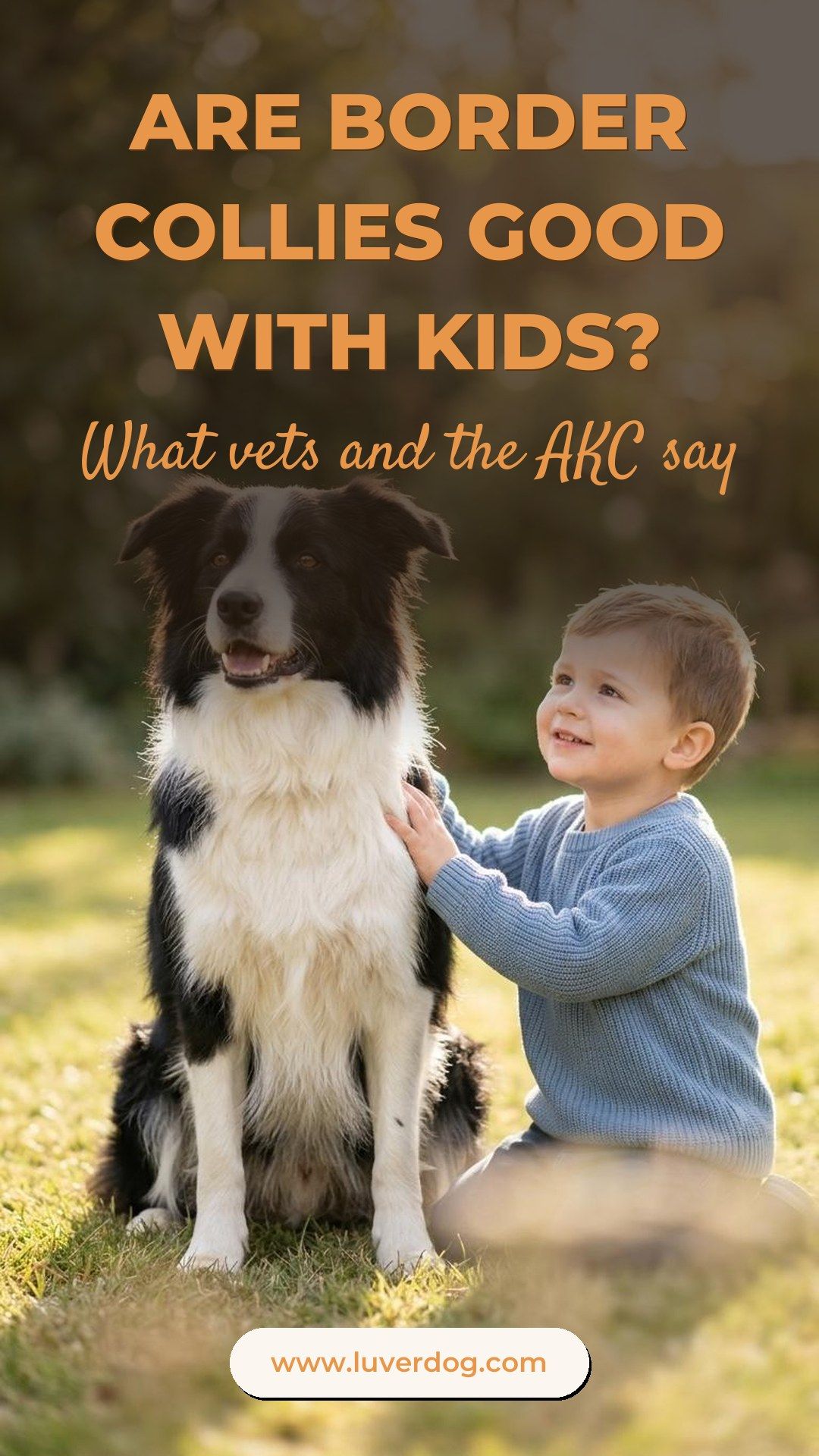
VCA calls the breed playful and very good with children. The AKC adds a caveat: natural herding instincts may lead them to herd children during play. So are border collies good with kids? Often yes, especially older kids who know how to act around a dog. Toddlers and babies are the harder match.
How I’d handle it:
- Never leave a collie alone with a small child, not even for a minute.
- Teach kids to stand still like a tree when the dog gets pushy, instead of running and shrieking.
- Give the dog a gate-protected spot to retreat to.
- Keep rough games out of the house.
Dogs and kids both need a referee.
If a bite ever breaks skin, or your dog shows any aggression toward a child, stop and call your vet or a veterinary behaviorist before you start home training. Don’t try to fix that one on your own.

Tips for curbing nipping and herding
Most nipping responds well to boring, consistent work.
- Work the brain before the legs. Physical exercise alone often isn’t enough for a collie, so add sniffing games, puzzle feeders, a snuffle mat, or a Kong Wobbler. How much your dog needs is worth asking your vet.
- Give herding a legal outlet. Agility, treibball (herding a big exercise ball), and fetch with rules all count.
- Teach “leave it” and a solid recall, so you have an off switch for chasing.
- Stop the game when teeth touch skin. Pause calmly, with no drama, and resume play once the dog settles.
- Catch the dog lying down quietly and reward it. Most owners forget this part.
- Use a leash or long line around bikes, kids’ parties, and joggers until the dog has better habits.
- Socialize widely. Slow, positive exposure to people, sounds, and places pays off for years.
- Skip punishment. The MSD Manual’s point about fear and anxiety is reason enough.
Keep training sessions short. Five minutes, then a break.
When it’s probably not a problem
Not every nip needs a crisis meeting. These usually point to instinct and enthusiasm:
- A puppy mouthing hands during play, then settling when you redirect.
- A dog that tries to herd kids but backs off the moment you call them away.
- Occasional heel nips during an exciting game that stop when the game stops.
- A relaxed, wiggly body with no stiffness, lip curling, or hard stare at a person.
Train it, but don’t lose sleep. This list is a guide, not a diagnosis. If you’re unsure, or something feels off, have your vet or a behaviorist look at your dog.
When to talk to a vet or behaviorist
Anything that looks like pain, a sudden change, or a bite that breaks skin deserves a professional’s eyes.
- Your dog suddenly starts snapping, growling, or guarding when they never did before.
- Biting or lunging breaks skin or comes with a stiff, hard-eyed posture.
- Any aggression is aimed at a child.
- Aggression shows up around handling, touching, or certain body parts.
- Training isn’t improving things after a few weeks of consistent work.
- You aren’t sure what you’re seeing, especially with children in the house.
Talk to your vet first. The MSD Veterinary Manual says a veterinarian must evaluate for medical conditions before treating a dog for aggression, and that moderate or severe cases may call for a board-certified veterinary behaviorist. Only your vet can tell you whether something medical is going on. A certified trainer or behaviorist can build a plan from there.
Conclusion: usually instinct, sometimes a signal
So, are border collies aggressive? Not as a rule. Most of what worries owners looks like herding drive meeting too much energy and too little to do. But some nips are fear or pain talking, and those deserve a closer look. Watch your dog, give them a job, and call your vet when something feels off. You know your dog better than anyone.
References
- VCA Animal Hospitals — Border Collie
- American Kennel Club — Is a Border Collie Right for You?
- MSD Veterinary Manual — Behavior Problems of Dogs
- Whole Dog Journal — Pain’s Effect on Behavior
- National Canine Research Council — Commentary on Duffy, Hsu & Serpell (2008), breed differences in canine aggression


Comments
Post a Comment